

Five skills of strategic leadership
The Not An MBA curriculum is based on the five modules of strategic leadership outlined in You Don't Need An MBA: Leadership Lessons that Cut Through the Crap, which is required reading for this course.
Your online curriculum includes a series of short, sharp-videos, released weekly. These are supplemented by reading materials, exercises, tools and templates. You will also receive a signed copy of You Don't Need An MBA.
Transformation is just 8 weeks away
Our students tell us they’re blown away by how quickly they can apply their new skills directly to their lives and work.
By the end of the program, you will:
- Respond more confidently to change and uncertainty
- Set firmer boundaries around your time and energy
- Make smarter, better decisions
- Tackle deeper systemic issues in your workplace
- Build deeper, more trusting relationships
- Lead more authentically and with greater passion.
Your Not An MBA journey
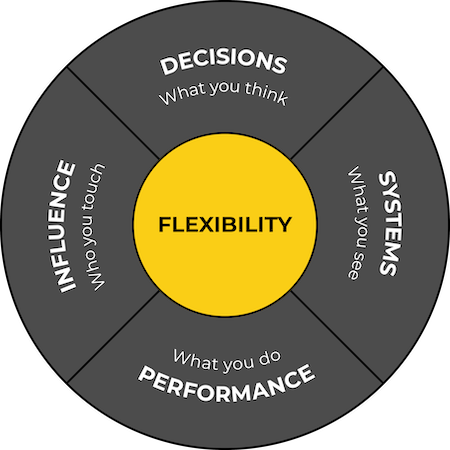
Not An MBA is a carefully curated journey to build sustainable, applicable skills.
Week by week
Week 1: Fresh perspective
Get ready to stretch!
In 1967, researchers ran an interesting experiment. They put 5 monkeys in a large cage and at the top of the cage, well beyond the reach of the monkeys, was a bunch of bananas. Underneath the bananas was a ladder. The monkeys immediately spot the bananas and one begins to climb the ladder, but the experimenter sprays him with a stream of cold water which makes the monkey scrambles off. The experimenter also sprays each of the other monkeys and all 5 monkeys sit on the floor, wet, cold, and bewildered for some time.
Soon, though, the temptation of the bananas is too great and another monkey begins to climb the ladder. Again, the experimenter sprays the ambitious monkey with cold water and all the other monkeys as well. When a third monkey tries to climb the ladder, the other monkeys, wanting to avoid the cold spray, pull him off the ladder and beat him.
Now one monkey is removed and a new monkey is introduced to the cage. Spotting the bananas, he naively begins to climb the ladder. The other monkeys pull him off and beat him. Here’s where it gets interesting. The experimenter removes a second one of the original monkeys from the cage and replaces him with a new monkey. Again, the new monkey begins to climb the ladder and, again, the other monkeys pull him off and beat him - including the monkey who had never been sprayed.
By the end of the experiment, none of the original monkeys were left and yet, despite none of them ever experiencing the cold, wet, spray, they had all learned never to try and go for the bananas.
In our first week, we commit to making sure we’re never the monkeys.
We challenge assumptions, tackle the status quo and kick off our journey of change together.
Week 2: Response-ability
It’s time to take response-ability for our impact.
Flexible leaders are the best placed to respond to change, giving them a sustainable advantage. We don’t become flexible by accident though. Unless we intentionally stretch, we stiffen over time and end up out of touch.
Leadership flexibility is about staying attuned to our environment, taking responsibility for our behaviour and learning from our experiences so we can keep adapting.
Flexible leaders stretch by committing to their values and then wholeheartedly embracing change and all the risk and failure it brings.
They take responsibility for their behaviour, knowing it’s the only thing they can control, and they take a stand where it counts.
This week is about achieving clarity around what is inside your area of responsibility, what isn’t, and setting boundaries to operationalise the difference.
Learning outcomes:
- Greater understanding of how people respond to change
- Increased agency in decision-making and action
- Confidence in setting personal and professional boundaries.
Week 3: Executive strategy
Good decisions are defined by their process, not their outcome.
Learning outcomes:
- Apply strategic frameworks to projects and teams
- Troubleshoot complex decision processes
- Lift operational discussions toward principles and vision.
Making good decisions is not an innate skill, and not about how smart we are. It’s about how we think, not what. Important questions rarely have perfect answers, so instead of searching for accuracy, we need to focus on our process.
While doubtful leaders opt out of the thinking process, decisive leaders lean into it.
Instead of trying to be right all the time and pointing fingers at people when things go wrong, the decisive leader is more open.
While they’re careful to set the right frame, they pay most of their attention to engaging with people, challenging assumptions and experimenting with options by making the minimum viable decisions they can tweak.
In Not An MBA, we learn about the anatomy of a strategic decision and consider how to have more impact.
Week 4: Systems thinking
No more heroes. It’s time to stop solving problems… and start dissolving them.
Problems are one of life’s only constants – they’re up there with death and taxes. As a strategic leader, our goal shouldn’t be a problem-free life.
Strategic leaders ask the tricky questions. They get out of their own silos and take a big picture approach, probing deeper and thinking more widely than the average bear.
They ask questions like:
- Why is this happening?
- Where else is this happening?
- What are we trying to achieve?
- How can we change our environment instead of our people?
By the end of this week, you will be thinking and behaving like an enterprise architect, tackling real issues in your work environment from a brand-new perspective.
Learning outcomes:
- Deeper understanding of your workplace environment
- Confidence in dissolving problems at the root
- Skills for creating high-performing organisations.
Week 5: Transition
It’s time to traverse the rip…
In an old Buddhist parable, a man is trapped on one side of a rushing river. On this side of the river, there is great danger and uncertainty whilst on the other side is safety and stability. But there is no bridge spanning the river nor is there a ferry to cross over. What should he do?
The man gathers logs, leaves, and creepers and by his wit, fashions a raft from these materials. By lying on the raft and using his hands and feet as paddles, he manages to cross the river from the dangerous side to the safe side.
Having crossed the river, he hoists his raft proudly atop his shoulders and proceeds through the forest, as he begins the next phase of his journey.
Progress is slow, as the weight of the raft bears down on the man’s back, and its edges keep getting caught on trees and in leaves. The man despairs, but clings firmly to the raft. This raft is his proudest achievement yet! It enabled him to pass through challenge and emerge triumphant. He needs this raft, he desperately thinks, clinging to it… It’s time to let go.
I think you get where we’re going with this.
Learning outcomes:
- Awareness about the limitations of your strengths
- Clearer focus in the best use of your time and energy
- Confidence in delegating and empowering others.
Week 6: Relationships
Trust is an inside game. Leadership researcher Dr. Brene Brown has extensively studied trust and connection in personal and professional relationships. She defines trust as “choosing to make something that is important to us, vulnerable to the actions of others.” Oof.
Working well with our teams, peers, colleagues and leaders requires us to make our work vulnerable to their actions – so we can delegate, collaborate, inspire, and create.
This week, you’ll deconstruct the concept of trust and influence from the inside-out, starting with your own habits and behaviours.
Beware: this is a powerful session that has the potential to transform some of your most challenging relationships for the better.
• Right-size your influence for different relationships
• Deeper trust and connection in critical relationships
Week 7: Inspiration
Leaders need followers
Are you an influencer? Influence is not always about who has the biggest following. In most workplaces, just 3 per cent of people drive 90 per cent of the conversations.
Those super 3 per cent people have more impact, leverage, visibility, and are far more likely to make meaningful progress in their work. They aren't loved by everyone though for even the most challenging transformations, such as revolutions and regime changes, only require active participation from 3.5 per cent of the population.
We might not have Instagram engagement metrics to prove it, but we're all influencers. Even the most introverted person will influence 10,000 others in an average lifetime.
This week we ask: how are you using your influence, and where can you level up?
Learning outcomes:
- Build a reputation you can be proud of
- Master the difference between communication and connection
- Inspire others to lead movements that matter.
Week 8: Showcase
All the work you’ve put in over the last eight weeks has been building up to this. Emerging from your leadership chrysalis, you’ll take the stage to inspire your tribe with your leadership movement, and delight in the inspiration of your fellow graduates.
This week is about celebration and intention, galvanising your journey to strategic leadership and setting you free to take your brilliance to the world!
Check out the Not An MBA Cheat Sheets
 Alicia McKay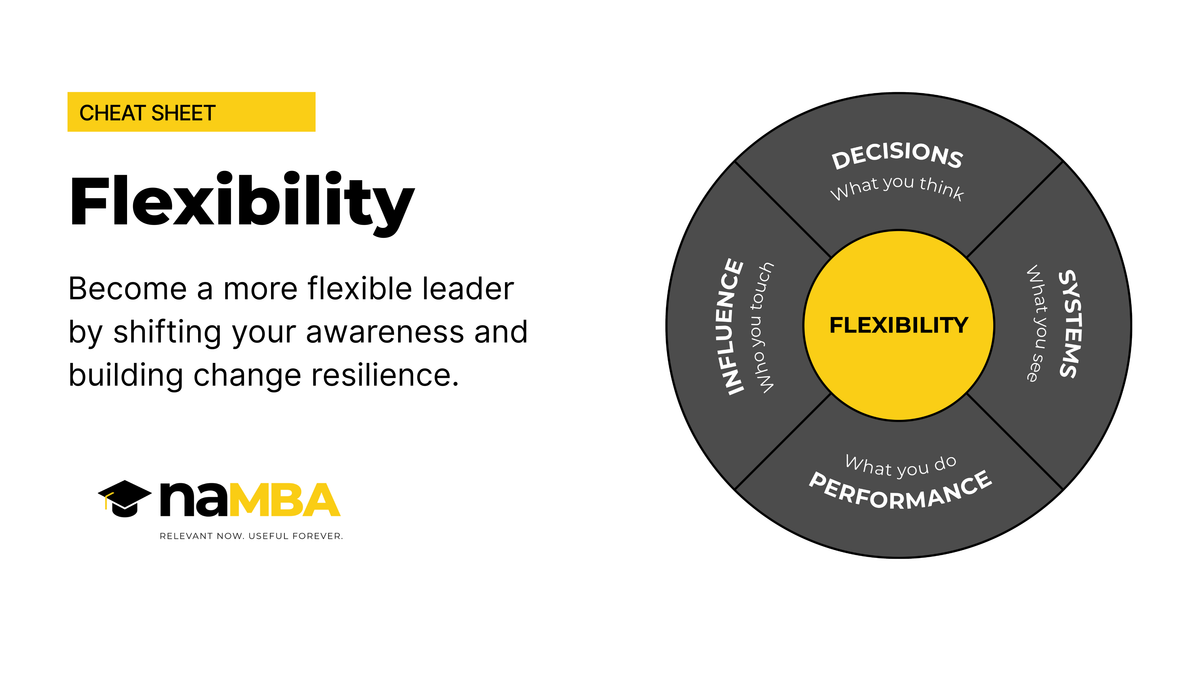
 Alicia McKay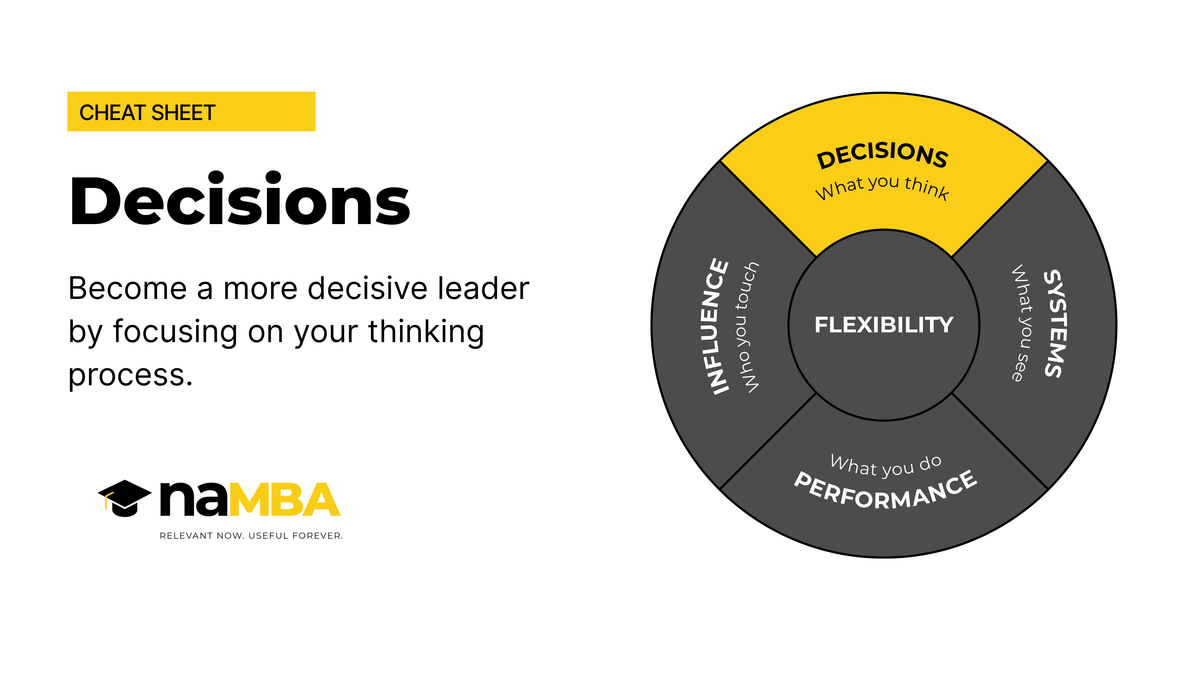
 Alicia McKay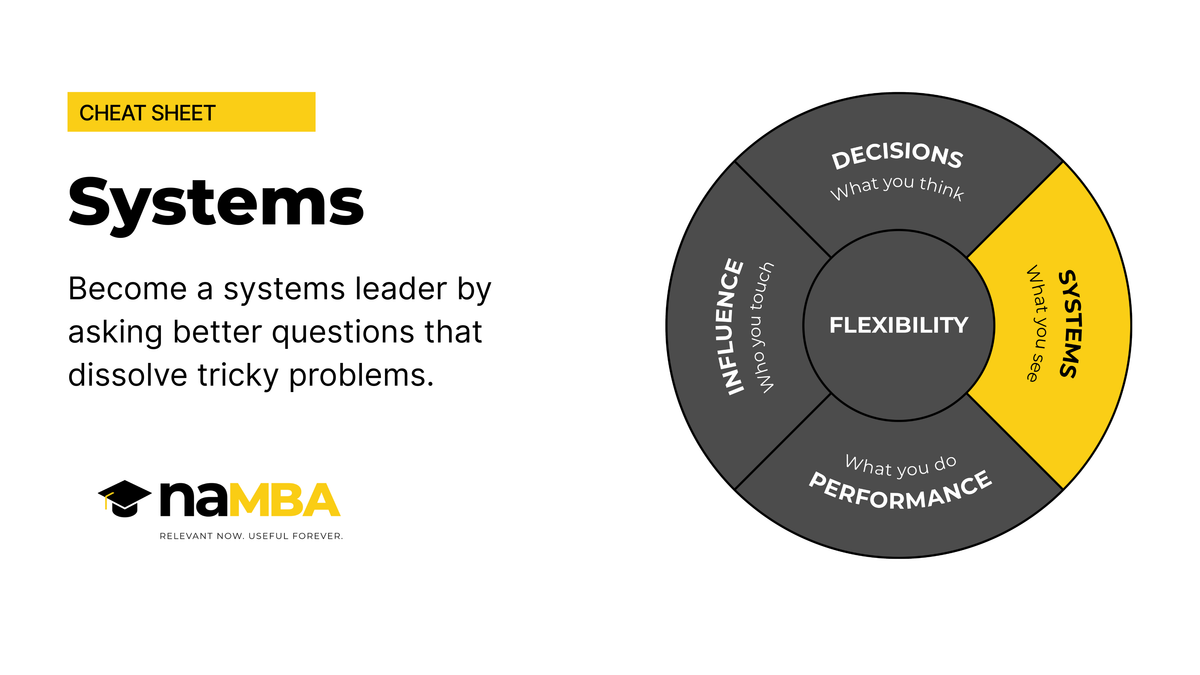
 Alicia McKay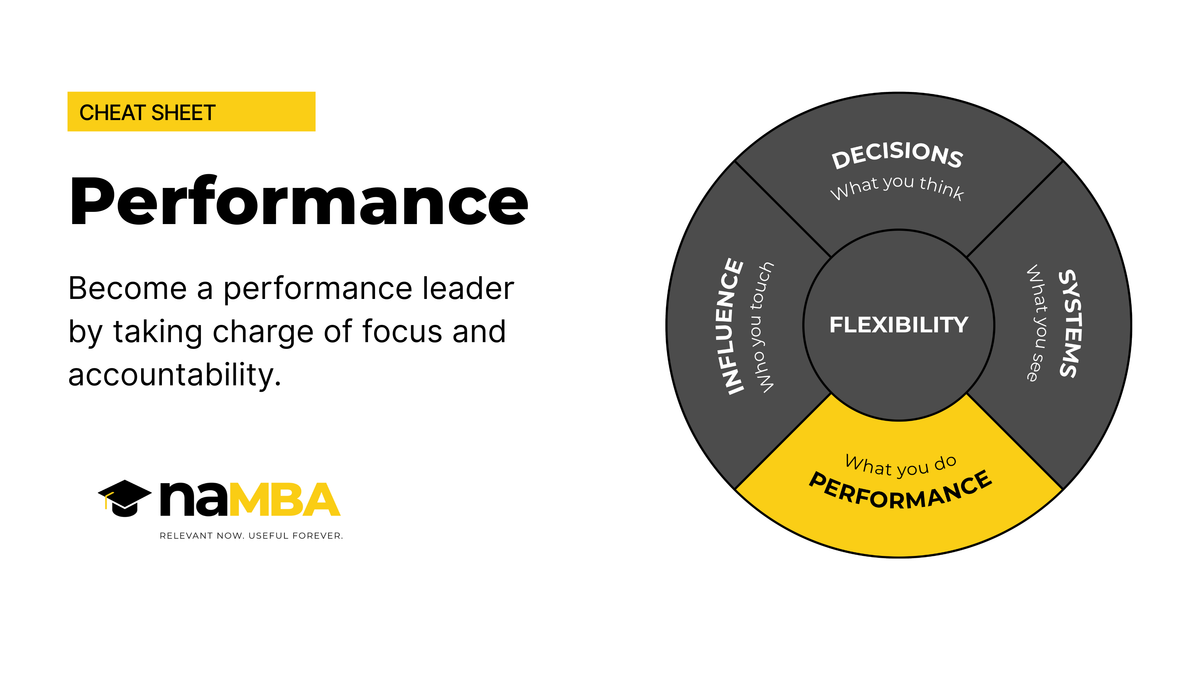
 Alicia McKay


