
 Think for yourself
 See more clearly
 Make better decisions
 Live on your own terms
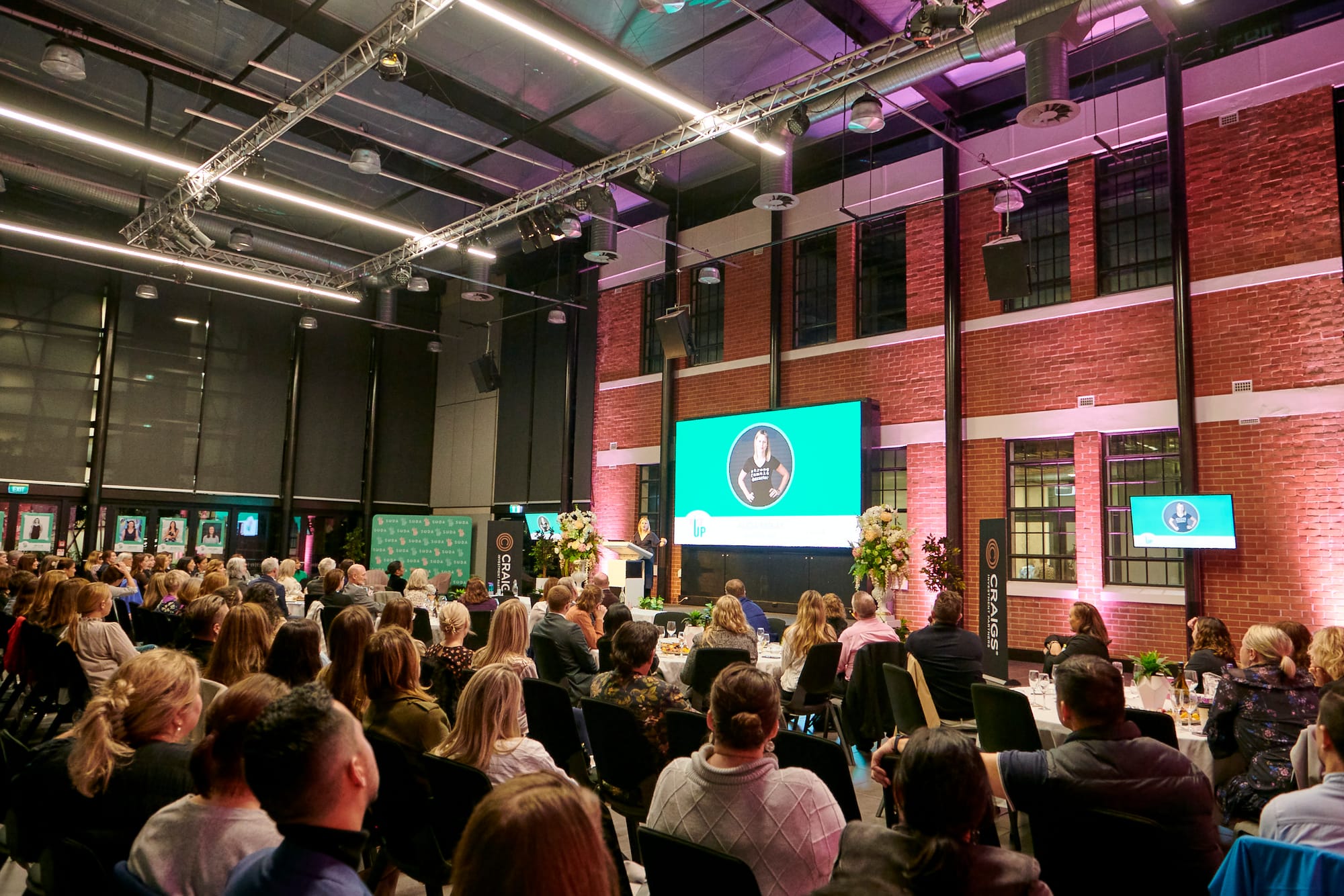 Speaking
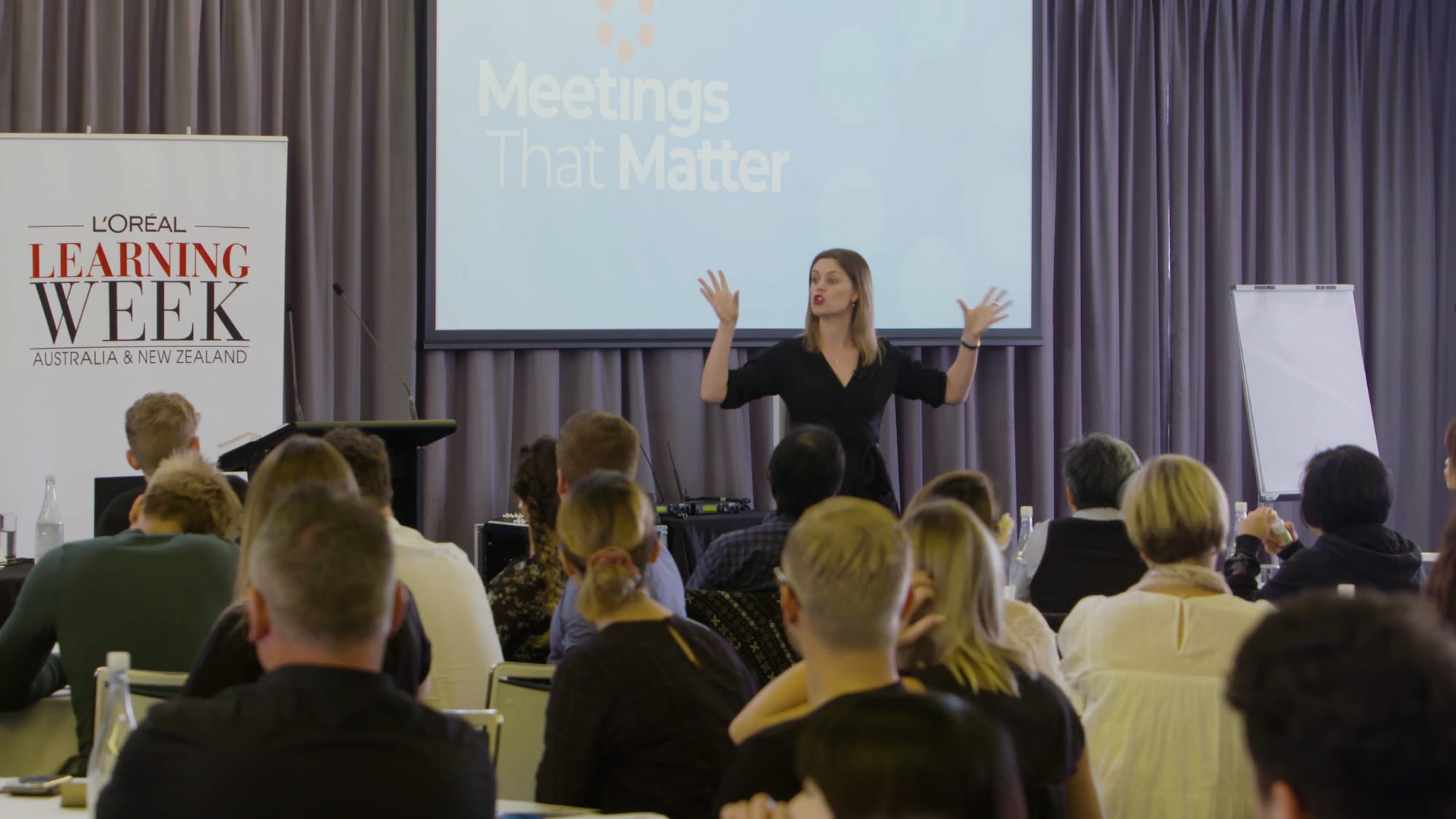 Training


In 2023, Cam and I kayaked the Whanganui River. We rowed all day and pitched a tent at night. On day three, I realised how long it had been since I'd seen my reflection - and how good it felt not to know what I looked like. I boldly declared I'd remove all mirrors from my house and never look at myself again.
The night we got home, I put makeup on before we rushed out the door to a concert. My resolution was swiftly forgotten and the mirrors remained.
Some birthday-fuelled existentialism and a weekend with a group of early-twenties young women for my daughter's 21st have brought this back. There was a phenomenal amount of grooming going on this past weekend - I engaged in a decent bash at it myself, pre-party! Listening to the girls chatter and watching how much energy and effort went into the lashes, hair, and tans was wild.
I'm not judging. I've lived in a woman's body too long for that. But it struck me that the collective passion and excitement of these intelligent, capable humans could probably power a nuclear reactor and was instead being wasted on the tedium of beauty labour.
Like the river moment, this stuff is most easily observed when you're away from it, or it's someone else. Which is why this isn't a Wednesday Wisdom about beauty standards, but about the price of our preoccupations.
Your focus is being engineered
When Mary Oliver wrote that "attention is the beginning of devotion," she wasn't talking about the attention economy or the systematic exploitation of our focus. I don't know for sure how she would feel about a tech-fuelled hellscape where people can't wait for their coffee without jamming a screed of reels into their eyeballs, but I'd wager old Maz would have a serious case of the what-the-fucks.
At the 21st, I heard a group of Facebook-frequenting oldies who've never touched a PlayStation chatting about the release of Grand Theft Auto VI.
"Can you believe some girls won't let their boyfriends play it?!"
"People have flown to New Zealand to be the first to buy it!"
"It cost $1 billion to make!"
They were regurgitating hype they'd consumed online without stopping to wonder how on earth they know any of this crap - or whose interests it was serving.
The kids are more aware. They're skeptical of AI, derisive of ads, and have a much better relationship with their Do Not Disturb function than most oldies. They know, too, that most of what they see on social media is part of a well-oiled consumer machine shaping their view of what's popular or normal to make someone else rich.
But that awareness doesn't stop the machine from working - for them, or for us. Nobody thinks advertising works on them (but it does), and everyone thinks they're managing their addiction. "I can stop whenever I want." OK. Stop then.
Your discontent is the product
You're probably familiar with the cliché that what you focus on grows, but in an economy built on capturing and selling our attention, it runs deeper and darker. Whatever captures your attention determines your worldview, moulds your attitude, narrows your possibilities, and ultimately shapes your life. Whatever clogs up your brain space determines what your life is like on the daily.
What picture would your Google searches, AI chats or small-talk paint of your world?
If you've not read this excellent essay on why the prevalence of cosmetic surgery is a death-knell for feminism and why "one of the biggest existential threats to modern women is the beauty-industrial complex, that is the vast network of corporations that manufactures and sells us an endless slew of products, services, images and ideologies intended to destroy our self-worth for the benefit of shareholders" it's worth the read.
Because it's not just that worrying about our appearance is a waste of our one precious life and limited mental, physical, and financial resources - it is - but that it doesn't even make us feel any better.
Focusing on our appearance makes us less satisfied with ourselves. The evidence that cosmetic surgery makes people any happier or their lives better is weak at best*, and even a couple of minutes of mirror gazing** has been shown to make most of us more dissatisfied. When we increase our attention on how we look, it magnifies small imperfections and unfavourable comparisons - even when we're ostensibly out to 'improve' them.
Beauty or otherwise, our preoccupations come at a price. When we worry about things outside our control, get caught in a social doomscroll, or go down an internet rabbit hole, we drain our mental energy with rumination and chronic stress. Getting trapped in an internal loop distorts our perspective and disconnects us from our real life and the people in it.
Our entire information environment is designed to trigger exactly this kind of preoccupation.
Manufactured discontent warps your instincts
There are so many things that make us feel more grounded, expansive, and connected. Looking at water. Walking in nature. Spending time with people we love. Being awed by art and books. Getting immersed in a project or a hobby (not the planning and Googling and many-internet-tabbing, but the doing of it). People-watching. Cooking things for fun. Talking about literally anything except what's trending in the media.
But there's limited space for any of that when we're preoccupied by commercial hype, irrelevant scandals, or perceived failings in our bodies, health, wardrobes, houses, relationships, or lives. You know as well as I do that going shopping, scrolling social media, and ruminating on all the ways you don't feel good enough are life-draining wastes of time but, like the failed river resolution, it can be hard to remember that when we're too close to the source of our discontent.
Which is why we can't always trust our instincts on this stuff. Our 'instincts' are cultivated, manipulated products of the social soup we're swimming in. Our 'instincts' might urge us to cancel plans, relax with some light scrolling, and book in a Botox appointment, all of which leave us feeling actively worse.
In therapy, one technique is to use 'opposite action' - when you're caught in your own neurosis, ignore what you think you want (withdrawal, junk food) and do the opposite (go outside, eat an apple) instead.
Choose your focus, shape your life
We're porous, malleable social constructions. Every day what we put our attention into shapes us, and every day that attention is being engineered by people who have a stake in the outcome.
Having a portable pocket portal into any rabbit hole of our choosing, rapidly followed by suggestions of products and services we can buy to alleviate whatever bullshit we've just been convinced we need is a fast-track to disappointment and distraction.
I can't stop thinking about the oldies and their regurgitated sales pitches about GTA 6. They have no stake in this hype. It doesn't affect their lives. But here they were, sitting around a bar leaner, doing free PR for a game they'll never play. What is the cost of this?
Think back on whatever got you hooked lately. What's your GTA equivalent - the US midterms? The Nvidia scandal? A natural disaster or terrible crime on the other side of the world? Where did that come from? Is it useful to you? Can you act on it? Is this where you want your fire, intelligence, and energy going?
You're a capable, passionate, independent, loving, delightful orb of light. Don't let the little idiot machine drain you. Not when you could be walking, reading, making art, talking to people you care about, cooking food, looking out the window, wondering about the world, and being a force for good.
TL;DR: Most of what captures our attention is designed by someone else to sell us stuff we don't need. Take yours back, and spend it on purpose.
Til next week,
A
* Garbett KM, Paraskeva N, White P, Lewis-Smith H, Smith H, Anquandah J, Diedrichs PC. The psychosocial outcomes following cosmetic surgery are largely unknown: A systematic review. J Plast Reconstr Aesthet Surg. 2025 May;104:282-297. doi: 10.1016/j.bjps.2025.03.013. Epub 2025 Mar 7. PMID: 40156948. Link.
** Veale D, Miles S, Valiallah N, Butt S, Anson M, Eshkevari E, Gledhill LJ, Baldock E. The effect of self-focused attention and mood on appearance dissatisfaction after mirror-gazing: An experimental study. J Behav Ther Exp Psychiatry. 2016 Sep;52:38-44. doi: 10.1016/j.jbtep.2016.03.002. Epub 2016 Mar 10. PMID: 26989833. Link