


Here's a two-second test to find out if you're sliding into an echo chamber: When you encounter an opposing point of view, how often do you think the other person is an idiot?
If it's more often than not - or these people are starting to look downright evil - you might want to pause.
"When you encounter an opposing point of view, how often do you think the other person is an idiot?"
Pay transparency advocate Jo Cribb posted a snapshot of social media reactions to her Mind The Gap initiative yesterday, and people were aghast. The comments filled with shock and disappointment:
"Holy sh*t I am appalled." "Wow this is disheartening." "Why is there no “🤦♀️” reaction?"
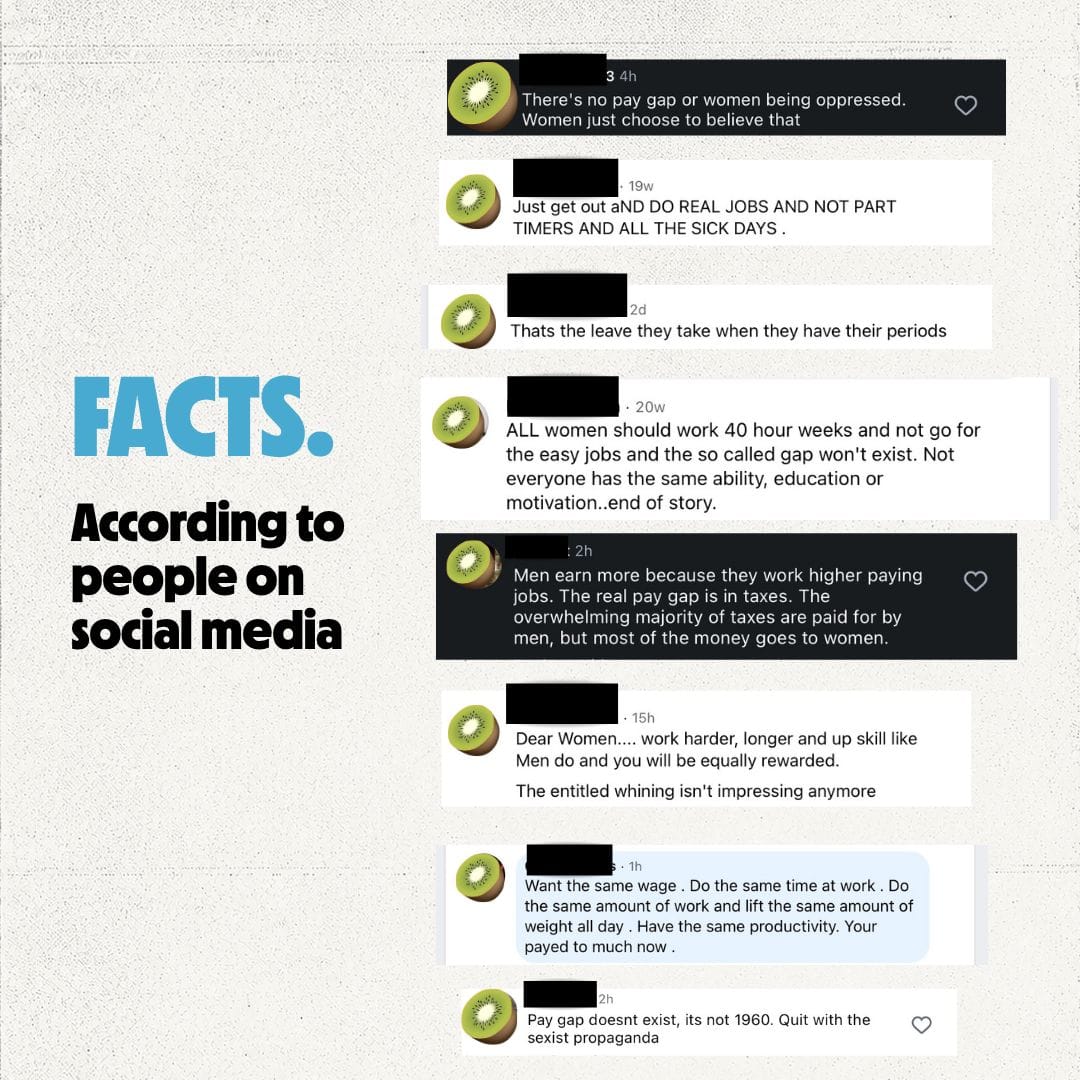
I get it. I think these comments suck. I wasn't horrified though, or even particularly surprised. I navigate this kind of dissonance often enough - striking up chats with taxi drivers, travelling overseas, or just going home for Christmas - to remember how limiting my Wellington bubble can be.
We don't all have the same life experiences, we don't all see the same information, and most opinions are come by honestly.
You are almost certainly in a bubble of similar, like-minded people. Same politics. Same preferences. Same pay bracket. You work together, socialise together, and see similar content on your feeds. If you're not in one, your algorithm will do its best. Bubbles are the default setting.
"You are almost certainly in a bubble of similar, like-minded people... If you're not in one, your algorithm will do its best."
Over time, your bubble shapes what you see and think, and how you react to new information.
This isn't inherently negative. No mind is an island. To make your way through the world, you need mental models to sort information, value systems to guide your choices, and useful assumptions about how things work, and who to trust.
But what happens when we stop engaging with, or even seeing, alternative points of view? Our intellectual horizon shrinks, our worldview narrows - and our capacity for curiosity, critical thinking, and connection fades. Things seem simpler than they really are. Complex, nuanced people with rich inner lives look like caricatures and demons.
Bumping the edge of another bubble can be disorienting. After so long in our own little corner, we quite reasonably assume everyone thinks like we do. It can be shocking to discover otherwise. Do people really think like that? What kind of world are we living in? Whether you're lobbying for pay transparency or exasperated by whinging woke warriors, your reaction might sound remarkably similar.
Faced with these uncomfortable jolts, you might be tempted to scurry back to safety, shaking your head, vowing not to venture outside the blob again. This is where the risks creep in - and when our bubble can morph into an echo chamber.
C Thi Nguyễn, author of one of my favourite recent reads The Score, wrote an excellent article about echo chambers and how they differ from epistemic bubbles.
"In epistemic bubbles, other voices are not heard; in echo chambers, other voices are actively undermined." - C Thi Nguyen
If you realise you're in a bubble, you can take steps to pop it by diversifying your information sources - talking to people, reading different news outlets, or following channels you don't usually see or agree with. My adult daughter runs two TikTok accounts that serve her different political views. A friend's Mum gets two Australian newspapers delivered weekly. Steps like these, while imperfect, can help you stay intellectually flexible and connected to the wider world.
But if you're in an echo chamber, no amount of new information will change your mind. In fact, alternative sources will appear as evidence of how misguided and untrustworthy others are. Reading two newspapers or scrolling two feeds will have little effect if you're using one of them as rage-bait or proof of your own rightness. This is where the danger lies.
If you encounter an opposing viewpoint, and your first reaction is what an idiot or this is exactly what I've been talking about, then it's worth taking a second look at how rigid your opinions might have become.
Smart, caring people are as at much risk of joining an echo chamber as anyone else. We should all assume we're only ever a few YouTube clicks away from conspiracy thinking. If you're a politically engaged, socially responsible citizen, you might actually be more vulnerable to bubbles and chambers by virtue of how much content you consume.
"We should all assume we're only ever a few YouTube clicks away from conspiracy thinking."
I'm a huge fan of Jo's work. I found those comments as distasteful as her commenters did, and sharing them publicly was a great way to pop a few bubbles.
But when everyone else looks like an idiot or a villain, there's nowhere to go. Applying the idiot test tells us if we're simply offended, or knocking on the door of an echo chamber. This is work worth doing - because once you're in, it's hard to get out.


